
Dr. Diana Stafford is here to help you implement the knowledge you’ve learned here and from The Inner Journey book.
This graphic is for informational purposes only. It is not intended to be a substitute for professional medical advice. If you have any concerns about your health, please consult your doctor.
The information in this graphic is based on the author’s research and experience. However, it is important to note that everyone’s body is different, and what works for one person may not work for another.
Flourish Wellness Center, PLLC makes no guarantees about the results you will achieve.
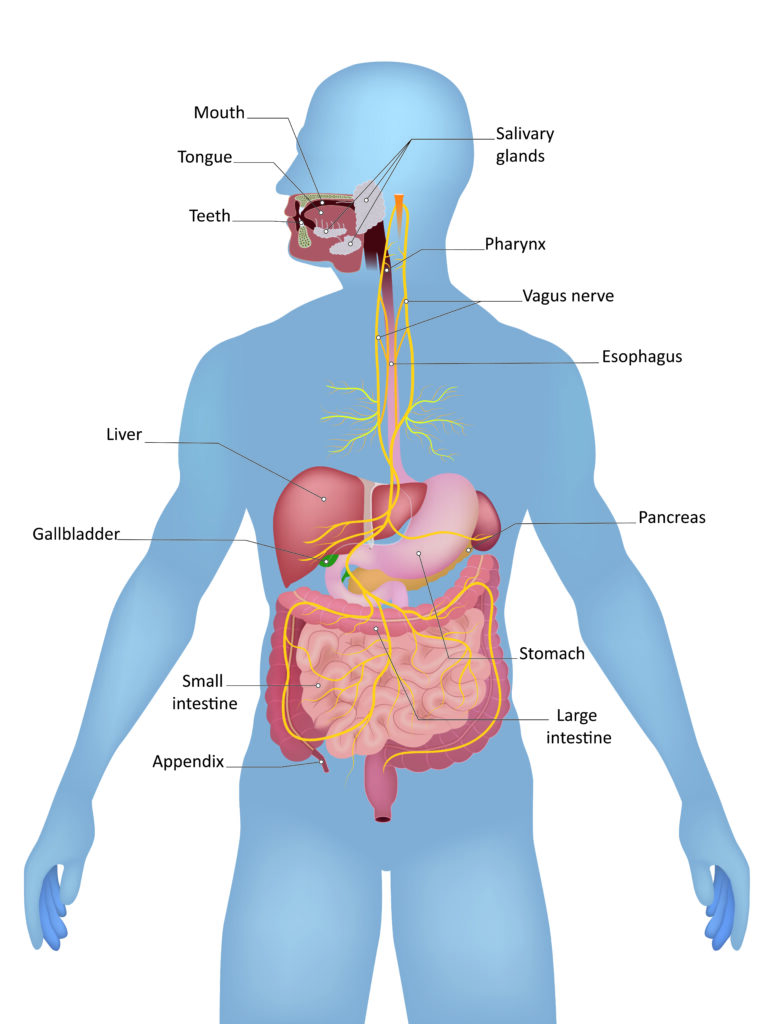
1: Regulates heart rate, digestion, and respiration, and influences emotions.
2: Forms the gut-brain connection, influencing mood and cognitive function.
1: Nausea
2: Vomiting
3: Abdominal pain
4: Depression
5: Anxiety
6: Blood pressure abnormalities
7: Heart rate abnormalities
8: Changes in behavior
9: Changes in mood
1: Heart rate variability analysis
2: “ahh” test
3: Pupil dilation test
1: Omega-3 fatty acids
2: Acetyl-L-carnitine
3: Probiotics
4: B vitamins
5: Deep breathing exercises
6: Cold water face immersion
7: Singing or chanting
8: Vagus nerve stimulation (VNS)
1: Bacterial reservoir
2: Role in immune system
1: Abdominal pain
2: Fever
3: Decreased appetite
4: Nausea and vomiting
1: Blood tests for elevated white cells
2: Ultrasound
3: CT
1: Observation in hospital with antibiotics (if not perforated)
2: Surgery if perforated
1: Absorbs water and electrolytes Forms and stores feces
2: Gut microbiota aid in digestion and vitamin synthesis
3: Contains immune cells and lymphoid tissue
4: Eliminates waste through defecation, controlled by anal sphincters
1: Changes in bowel habits
2: Abdominal pain, discomfort, or rectal bleeding
3: Discomfort or pain around the anus
4: Unexplained weight loss, fatigue, or fecal incontinence
5: Leaky gut leading to chronic inflammation and related symptoms
1: Stool tests
2: Colonoscopy
3: Anorectal manometry
4: Barium enema
5: Sigmoidoscopy
1: Probiotics
2: Fiber supplements
3: Omega-3 fatty acids
4: Zinc carnosine
5: Glutamine
6: Butyrate
7: Garlic
8: Oregano
9: Berberine
10: Carminative herbs
11: Demulcent herbs
12: Anti-inflammatory medications
13: Antidiarrheal medications
14: Antibiotics
15: Medications for constipation
1: High-fiber foods
2: Fermented foods
3: Probiotics
4: Prebiotics Adequate hydration
5: Limit processed foods
6: Limit alcohol intake
1: Regulates absorption of nutrients into the bloodstream
2: Digests fats, carbohydrates, and proteins
3: Contains immune cells
1: Abdominal pain
2: Nausea and vomiting
3: Malabsorption
4: Diarrhea
5: Bloating and distention
6: Loss of appetite
7: Fatigue and weakness
8: Unexplained weight loss
9: Changes in bowel habits
1: Blood tests for nutrients absorbed in small intestine (B12, iron, etc.)
2: Ultrasound
3: CT/MRI
4: CDTB/Vinculin Test
5: Small bowel series
6: Small bowel endoscopy
7: Capsule endoscopy
1: Probiotics
2: Digestive enzymes
3: Glutamine
4: Zinc carnosine
5: Vitamin B12
6: Butyrate
7: Garlic
8: Oregano
9: Berberine
10: Carminative herbs
11: Demulcent herbs
12: Antifungals
13: Antispasmodics
14: Rifaximin
1: Low FODMAP diet
2: Elemental diet
3: Specific Carbohydrate Diet (SCD)
4: Low histamine diet
1: Anti-Candida diet
2: Low FODMAP diet
3: Low-mold diet
4: Gut healing diets
1: Stores and concentrates bile
2: Regulates the flow of bile
3: Aids in absorption of fat-soluble vitamins
1: Abdominal pain
2: Nausea and vomiting
3: Indigestion
4: Diarrhea
5: Light-colored stools
6: Jaundice
7: Fever
1: Bilirubin test
2: Liver enzyme test
3: Blood tests
4: Ultrasound
5: CT/MRI
6: Fecal fat test
7: HIDA scan
8: ERCP
1: Milk thistle
2: Digestive enzymes
3: Choline
4: Tauroursodeoxycholic acid (TUDCA)
5: Vitamin C
6: Magnesium
7: Antibiotics
8: UDCA
9: CDCA
1: Produces digestive enzymes
2: Regulates blood sugar
3: Produces bicarbonate
1: Upper abdominal pain
2: Nausea and vomiting
3: Unintentional weight loss
4: Diarrhea
5: Greasy or oily stools
6: Blood sugar dysregulation symptoms
7: Easy bruising or bleeding
8: Jaundice
1: Trial digestive enzymes
2: Amylase
3: Lipase
4: Ultrasound
5: CT/MRI
6: Endoscopic retrograde cholangiopancreatography (ERCP)
7: Pancreatic enzyme levels in stool
1: Digestive enzymes
2: Probiotics
3: Vitamin D
4: Omega-3 fatty acids
5: Magnesium
6: Fasting
7: Insulin
1: Processes nutrients
2: Produces bile
3: Detoxifies
4: Produces proteins involved in digestion
1: Jaundice
2: Fatigue
3: Abdominal pain
4: Swelling
5: Itching
6: Nausea and vomiting
7: Easy bruising or bleeding
8: Fever
1: check tenderness of liver
2: Liver function tests
3: Viral hepatitis tests
4: Ammonia level
5: Bilirubin level
6: Ultrasound
7: CT/MRI
8: FibroScan
9: Biopsy
1: Milk thistle
2: Glutathione
3: N-acetyl cysteine (NAC)
4: Tauroursodeoxycholic acid (TUDCA)
5: Vitamin E
6: Vitamin D
7: Omega-3 fatty acids
8: Antiviral medications
1: Breaks down food into chyme
2: Stores food until it can be digested and absorbed
3: Kills harmful bacteria in food
4: Regulates the release of nutrients into the small intestine
1: Nausea and vomiting
2: Abdominal pain
3: Bloating
4: Acid reflux
5: Loss of appetite
6: Constipation or diarrhea
7: Fatigue
1: Gastric emptying study
2: Upper endoscopy
3: pH monitoring
4: Intrinsic Factor Antibodies
5: Anti-pepsin antibodies
6: Helicobacter pylori Antibody Test
7: Heidelberg test
8: Baking soda pH test
1: Probiotics
2: Digestive enzymes
3: Ginger
4: Garlic
5: Licorice root
6: Peppermint
7: Betaine HCl
8: Antibiotics
1: Transports food and liquid to the stomach via peristalsis
2: Lower esophageal sphincter prevents reflux
1: Difficulty swallowing
2: Chest pain
3: Heartburn
4: Regurgitation
5: Chronic cough
6: Hoarseness
1: Esophageal manometry
2: 24-Hour pH monitoring
3: Esophageal impedance monitoring
4: Endoscopy
5: Barium swallow
6: Esophageal pH capsule
7: High-resolution esophageal manometry (HRM)
1: Probiotics
2: Deglycyrrhizinated Licorice (DGL)
3: Aloe Vera
4: L-Glutamine
5: Slippery Elm
6: Omega-3 Fatty Acids
7: Vitamin E
8: Magnesium supplements
9: Avoid eating before bed
10: Chew food thoroughly
11: PPIs, H2 blockers, antacids short term only
1: Facilitates swallowing
2: Prevents food from entering the airways
1: Difficulty swallowing (Dysphagia)
2: Choking or coughing
3: Regurgitation of undigested food or fluids
4: Hoarseness or voice changes
5: Nasal regurgitation and nasal speech
6: Frequent throat clearing
7: Breathing difficulties
1: Modified barium swallow study
2: Pharyngeal manometry
3: Endoscopy
4: Electromyography (EMG)
1: Vitamin C
2: Zinc
3: Vitamin D
4: Echinacea
5: Oil pulling
6: Marshmallow Root
7: Slippery Elm
8: Honey
9: Herbal throat sprays
10: Antibiotics (for Strep throat)
11: Antifungal medications
1: Saliva lubricates food particles
2: Enzymes aid in digestion of starches and fats
3: Saliva neutralizes acids
4: Antibacterial substances in saliva
1: Halitosis (bad breath)
2: Cold sores or ulcers
3: Xerostomia (dry mouth)
4: Gum diseases (gingivitis and periodontitis)
1: Oral examination
2: Saliva testing
3: Oral pH testing
4: Oral function assessment
5: Periodontal probing
6: Biopsy
1: Vitamin D and K2
2: Calcium
3: Probiotics
4: Coenzyme Q10 (CoQ10)
5: Oil pulling
6: Antimicrobials
7: Salivary stimulants
1: Break down food
1: Halitosis (bad breath)
2: Cold sores or ulcers
3: Xerostomia (dry mouth)
4: Dental caries
5: Plaque buildup
6: Tooth infections
7: Gum diseases (gingivitis and periodontitis)
1: Oral examination
2: Dental X-rays
3: Oral pH testing
4: Oral function assessment
5: Periodontal probing
6: Dental plaque analysis
1: Vitamin D and K2
2: Calcium
3: Probiotics
4: Coenzyme Q10 (CoQ10)
5: Oil pulling
6: Antimicrobials
7: Salivary stimulants
1: Taste
2: Mixes food with saliva
3: Propels food
1: Halitosis (bad breath)
2: Cold sores or ulcers
3: Xerostomia (dry mouth)
1: Oral examination
2: Oral pH testing
3: Oral function assessment
4: Biopsy
1: Vitamin D and K2
2: Calcium
3: Probiotics
4: Coenzyme Q10 (CoQ10)
5: Oil pulling
6: Antimicrobials
7: Salivary stimulants
1: Facilitates intake of food and drink
2: Tongue has thousands of taste buds
3: Saliva lubricates food particles Enzymes aid digestion of starches and fats
4: Saliva neutralizes acids
5: Antibacterial substances in saliva
1: Halitosis (bad breath)
2: Cold sores or ulcers
3: Xerostomia (dry mouth)
4: Dental caries
5: Plaque buildup
6: Tooth infections
7: Gum diseases (gingivitis and periodontitis)
1: Oral examination
2: Dental X-rays
3: Saliva testing
4: Oral pH testing
5: Oral function assessment
6: Periodontal probing
7: Dental plaque analysis
Biopsy
1: Vitamin D and K2
2: Calcium
3: Probiotics
4: Coenzyme Q10 (CoQ10)
5: Oil pulling
6: Antimicrobials
7: Salivary stimulants